Logic Games for Kids: Free Brain-Building Puzzles
Good logic games for kids turn careful thinking into play. Instead of guessing, your child learns to spot a pattern, weigh a choice, and follow a cause through to its effect, the same reasoning skills that quietly power math, reading comprehension, and everyday decisions. The best part is that children rarely notice the "work." They are too busy solving the next puzzle to realize they are practicing focus, sequencing, and planning ahead.
On this page you will find free, browser-based logic games designed to grow with your child. They start gentle and add complexity as confidence builds, so a four-year-old and a ten-year-old can both find a level that feels just right, challenging enough to be interesting, but never so hard that it stops being fun.
What logic games teach your child
Logic is less about being "smart" and more about thinking in steps. When kids play well-designed puzzle games, they practice a handful of skills over and over:
- Pattern recognition — noticing what comes next in a sequence of shapes, colors, or numbers.
- Cause and effect — predicting what a move or rule will do before they make it.
- Sorting and classifying — grouping objects by a shared property, then by a second property.
- Working memory — holding a goal in mind while juggling the steps to reach it.
- Trial and adjustment — testing an idea, seeing it fail safely, and trying a smarter approach.
These build on each other. A young child might simply match two identical pictures; a year later that same child is following a multi-step rule to reach a goal. That gradual climb is exactly what keeps logic play rewarding rather than frustrating.
A logic game your child can play right now
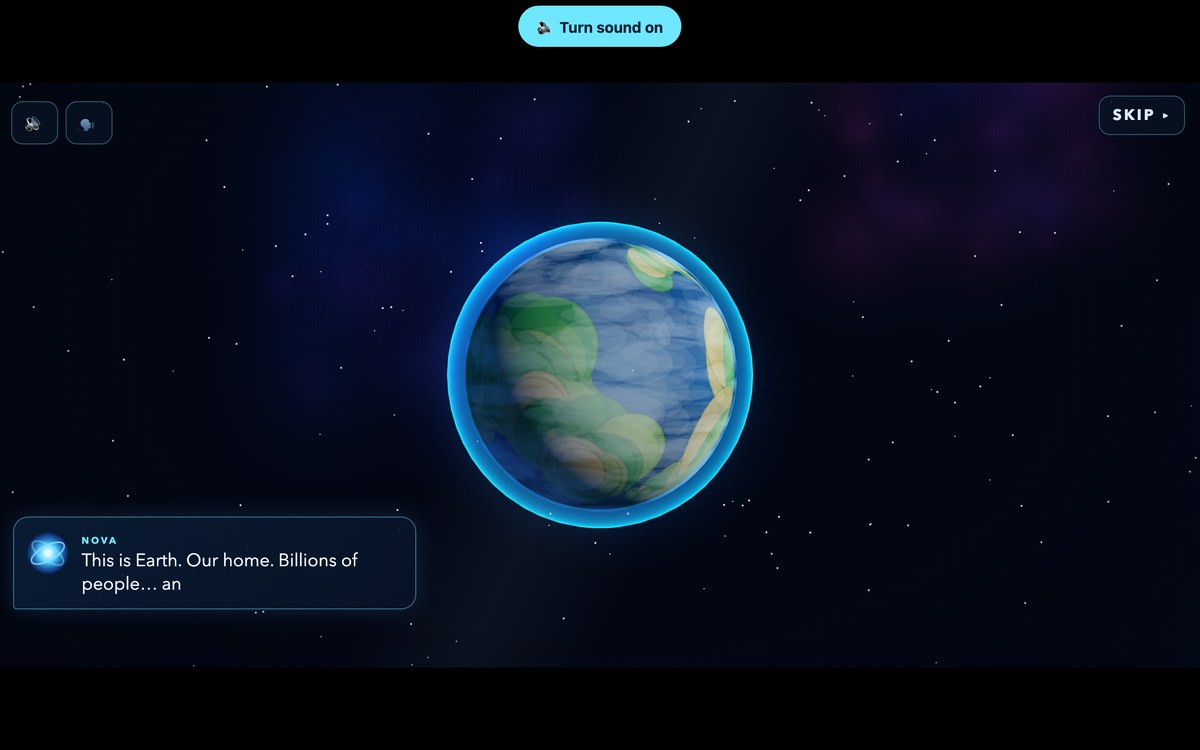
One of our favorites is Space Commander, a logic and sequencing game where kids plan a series of moves to guide their ship, dodge obstacles, and complete each mission. It rewards thinking ahead: rushing leads to a do-over, while a calm, ordered plan succeeds. Because mistakes simply reset the round, children feel free to experiment, which is when the best learning happens.
Why "plan before you act" matters
Games that ask kids to map out steps before executing them strengthen impulse control and forward planning, two skills that pay off far beyond the screen, from tidying a room to solving a word problem. Space Commander makes that planning feel like an adventure rather than a chore.
How to match logic games to your child's age
Children develop reasoning in fairly predictable stages, so a quick gut-check by age helps you pick the right starting point.
Ages 4-6
Look for matching, simple sorting, and "what comes next" pattern games with big, clear pictures. At this stage, success means recognizing one rule at a time and feeling proud when it clicks.
Ages 7-9
Kids can now hold two or three rules at once and enjoy mazes, sequencing challenges, and beginner deduction puzzles. Short, multi-step missions like Space Commander fit this window beautifully.
Ages 10-12
Older children thrive on strategy, multi-step planning, and puzzles with several possible solutions. Let them wrestle with a tricky level for a while before offering hints, the struggle is where the growth lives.
Getting the most out of logic play at home
You do not need to hover to make logic games count. A few light touches go a long way:
- Ask "What's your plan?" before your child starts a level, and "What would you try differently?" after a tricky one.
- Praise the strategy, not just the win, so effort feels like the real victory.
- Keep sessions short and end on a success when you can, so the game stays something to look forward to.
Ready to explore more? Browse our full collection of brain games for kids for memory, math, and reasoning puzzles that complement logic play. Every game is free, runs right in the browser, and is built to make thinking feel like fun.
Games
The science behind the games
Every Dad4Kids game is built on one simple truth: children want to play, not study — so we turn learning into a game worth replaying. The method draws on peer-reviewed research in game-based learning, motivation, and how memory works.
- Prins et al. (2013). “Braingame Brian”: toward an executive function training program with game elements. Games for Health Journal.
- Tokac et al. (2019). Effects of game-based learning on students' mathematics achievement: A meta-analysis. Journal of Computer Assisted Learning.
- Alotaibi (2024). Game-based learning in early childhood education: a systematic review and meta-analysis. Frontiers in Psychology.
- Lampropoulos & Sidiropoulos (2024). Impact of gamification on students' learning outcomes and academic performance: a meta-analysis. Education Sciences.
- Taylor & Boyer (2019). Play-based learning: evidence-based research to improve children's learning experiences. Early Childhood Education Journal.
- Gottfried (1990). Academic intrinsic motivation in young elementary school children. Journal of Educational Psychology.
FAQ
Are logic puzzles good for kids?
Yes. Logic puzzles help children practice reasoning, focus, and problem-solving in a low-pressure, playful way. Because mistakes can be undone, kids feel safe to experiment, which builds both confidence and persistence.
What is the best age for logic puzzles?
Children can start as early as ages 4-5 with simple matching and pattern games, then move to multi-step and deduction puzzles around ages 7-9. The key is matching the difficulty to the child rather than the calendar age.
What are examples of logic games for kids?
Common examples include pattern-and-sequence games, sorting and matching puzzles, mazes, and planning games where kids map out moves before acting, like our Space Commander mission game.
How long should kids play logic games each day?
Short, focused sessions of about 15-20 minutes usually work best for younger children, with older kids managing a bit longer. Ending on a success, rather than at frustration, keeps the games something they want to return to.
Do logic games help with math and reading?
Indirectly, yes. The pattern recognition, sequencing, and step-by-step reasoning that logic games build are the same skills children rely on for solving math problems and following the logic of a story.
By Evgeny Arsentiev, PhD · Last updated: June 2026